Welcome to the Human Husbandry book universe. You are entering the fictional Noble Farms website from Elle Achette’s adult dystopian horror series.
Access to Noble Farms public materials is limited to adults aged 18 and over.
Content notice: This fictional site contains mature themes including body horror, sexual content, coercive dystopian systems and human-livestock subject matter. All human characters depicted are adults.
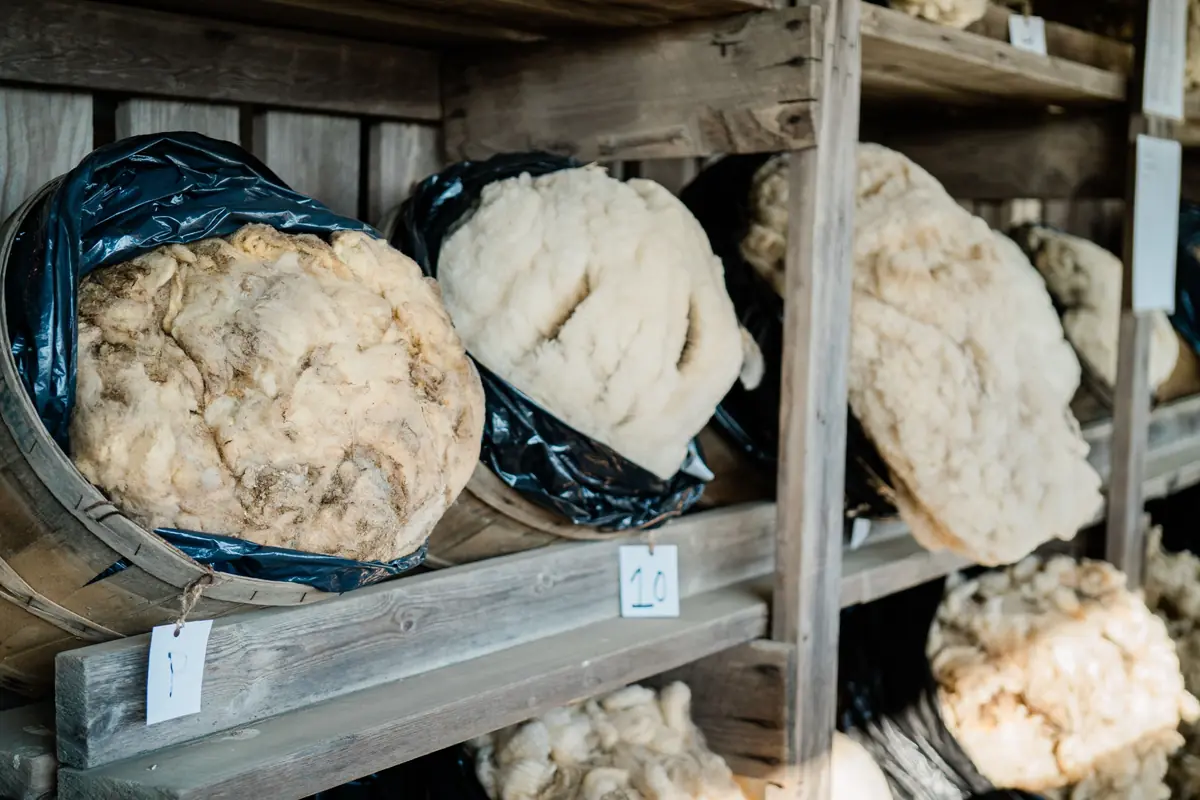
Human-derived Wool Fibre is produced through established Wool Stock programmes with flock-based social housing.
Wool Stock retain normal speech and are among Noble Farms’ most socially organised livestock classes. For this public-information interview, W-39-12 joined us in a visitor room overlooking the outdoor range used by Flock 39.
She is bright, talkative and quick to laugh. Throughout the conversation she repeatedly looks through the window toward the rest of her flock, who remain visible on the far side of the enclosure.
ApplicationsLuxury textiles, sensitive-skin and hypoallergenic ranges
HousingStable social flock groups wherever practical
Life in the Wool Programme
NF STOCK REPORT: How long have you been here?
W-39-12: “Three years. A little over three years, actually. It feels shorter. The first part was strange because conversion takes you away from everyone for a while, but once they put me with the flock it got much easier. After that I stopped counting quite so much.”
What is it like having that much hair?
“Warm!” She laughs. “Very warm. Winter is lovely. By the end of a growth cycle it gets heavy, especially when it rains, but you get used to the weight. You can feel it move when you walk. That was odd at first.”
Does it get tangled?
“Of course. Mostly around the shoulders, under the arms and anywhere you’ve been sleeping on it. We’re brushed regularly, and we help each other with the bits we can reach. You can always tell who has been lazy about grooming.”
She glances through the window and smiles when two members of the flock move closer to the building.
What do you like most about living as Wool Stock?
“The herd. Easily. There is always someone there. We eat together, sleep together, go outside together. Nobody really does anything alone unless they want to.”
She looks back toward the window. “They’re moving toward the south side. Are we nearly finished? I don’t want them to go in without me.”
How do you feel about shearing day?
“I hate it, actually. It’s cold afterwards and the clippers are loud and sometimes they catch and it—”
She stops. Her attention shifts briefly from the window to a handler seated just outside the interview frame.
“Sorry. I mean, it isn’t that bad. You get used to it. They’re careful, and it grows back quickly.”
So the benefits of being with a flock outweigh being shorn?
“Absolutely. Completely. I don’t think I could go back to being alone now. Being shorn is a small thing compared with having the herd.”
She smiles. “That’s what I meant.”
Do you think about what happens to your wool?
“Sometimes. They showed us some finished fabric once. It was unbelievably soft. One of the handlers said a batch from our flock had gone into a sensitive-skin line and baby blankets. I liked that. It’s nice knowing it becomes something people actually want.”
If you could make the decision again, would you still choose to become Wool Stock?
“Yes. Absolutely.”
She answers before the question has fully finished. “I knew what the programme was when I applied. I knew there would be shearing and that I’d live with a flock. I wanted the security, but I didn’t expect the herd to matter this much. That part is better than I thought it would be.”
Anything you would change?
“Can I say shorter interviews?” She laughs again, already looking toward the door. “They’ll be wondering where I am.”
Programme Note
Flock Cohesion as Welfare Practice
Strong social attachment is expected within established Wool Stock groups. Noble Farms therefore prioritises stable flock placement, shared rest areas and predictable group routines wherever clinical and production requirements permit.
Human-derived wool remains valued for exceptional softness and its suitability for low-irritation and hypoallergenic textile ranges, including luxury garments, interiors and sensitive-skin applications.